


Rehabilitation
Cardiac rehabilitation
Cardiac rehabilitation helps people who have recently had a heart event, procedure or the diagnosis of a heart condition to rebuild health-related quality of life, stay out of hospital and reduce the risk of future health complications.
Hospital and community-based health programs provide physical activity, education and support, working alongside patient’s GPs and cardiologists. Outpatient cardiac rehabilitation usually commences soon after discharge from hospital.
- Of 49,900 eligible patients assessed in 2013–2015, 30% were referred to cardiac rehabilitation, and of these 28% attended (Astley et al. 2020).
- In 2023–24, there were 310,000 cardiac rehabilitation service events conducted by allied health and/or clinical nurse specialists, higher than the 237,000 events in 2022–23 (AIHW 2025).
A set of indicators to evaluate cardiac rehabilitation performance have been developed to support increasing referral, improve delivery process and patient outcomes, and inform best practice and alternative models of care (NHFA 2019, Gallagher et al. 2020).
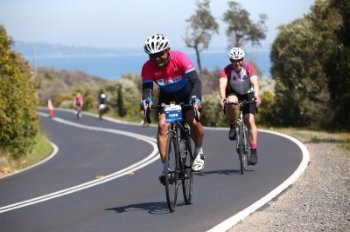 Cyril's story
‘I always say, “you’re the CEO in charge of your own body”, you need to take control. Cardiac rehab provided me with the structure to get back to the activities I used to do.’
Cyril survived a heart attack and said cardiac rehab changed his life.
Stroke rehabilitation
Stroke rehabilitation helps stroke survivors to relearn and maintain their skills and functioning. It also seeks to protect them from developing new medical problems.
Therapy often begins in hospital soon after the condition has stabilised. It can continue out-of-hospital, through attending outpatient units, or participating in home-based rehabilitation programs.
The National Stroke Audit reviews in-hospital rehabilitation services to promote the delivery of evidence-based stroke care (Stroke Foundation 2024). The 2024 audit identified that:
- 1 in 5 inpatient stroke rehabilitation services have not returned to pre-covid structure and resourcing
- of a group of 3,500 stroke survivors assessed before hospital discharge in 2023, 67% were referred for further rehabilitation in the community (Stroke Foundation 2024).